On November 16, 2019, two men shot and killed Jorge Alberto Acosta in a billiard parlor just four blocks from his house in La Lima, Cortes, Honduras. Jorge, 62, was a union leader for SITRATERCO, the oldest union in the country, which represents Chiquita banana workers.
Author: Clean Clothes Campaign, Human Rights Watch, IndustriALL, International Corporate Accountability Roundtable, International Labor Rights Forum, International Trade Union Confederation, Maquila Solidarity Network, UNI Global Union & Worker Rights Consortium
Photo: Workers Rights Consortium Sam Mokhele, General Secretary, NACTWU; Thusoana Ntlama, Program Coordinator, FIDA; May Rathakane, Deputy General Secretary, IDUL; Libakiso Matlho, National Director, WLSA; Daniel Maraisane, Deputy General Secretary, UNITE
On August 15, 2019, a number of complementary, legally binding agreements were signed to launch a pilot program aimed at eliminating sexual harassment and gender-based violence in five major garment and textile factories in the Southern African country of Lesotho.
Amnesty International launches the "What we left behind: fleeing repression in Nicaragua" campaign calling for an end to the Nicaraguan government's 18-month long repression.
In the final days prior to dropping the writ for the federal election, the Trudeau government published a revised mandate of the Canadian Ombudsperson for Responsible Enterprise (CORE). While making minor changes to the most highly criticized clauses, the revised mandate fails to provide the new office the investigatory powers it needs to hold Canadian mining, oil and gas, and garment companies accountable for human rights violations when conducting business abroad.
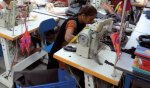
The Honduran Independent Monitoring Team’s (EMIH) latest Labour Justice Bulletin (in Spanish) highlights the variety of obstacles maquila workers face when seeking medical assistance for work related chronic pain caused by the repetitive and labour intensive nature of their work. The bulletin presents two first-hand accounts of the difficulties workers, and the general public face when navigating the public system.
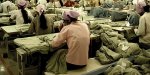
A September 2019 detailed report from the Clean Clothes Campaign (CCC) details how the auditing industry functions primarily to protect brand reputations while failing to improve working conditions and sometimes putting garment workers lives at risk.
On September 11, 2012, a fire ripped through the Ali Enterprises garment factory in Karachi, Pakistan, killing more than 250 workers, who were unable to escape the building because the exit doors were locked and windows barred. A new report released on the 7th anniversary of the fire warns that garment factories in Pakistan remain just as unsafe today as they were then.