MSN Publications and Collaborative Work

Factory closures in Central America devastate garment workers and unions

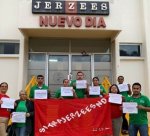
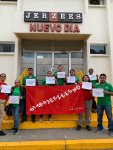
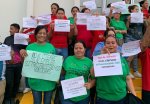
Union members call on Fruit of the Loom to reopen the
Jerzees Nuevo Día factory in Honduras.

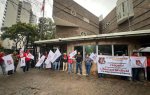
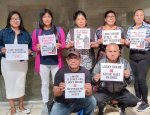
Workers call on Lucky Brand to address severance theft
after the closure of the Industrial Hana factory in Guatemala.

Workers call on Disney and their Grey's Anatomy brand to ensure full payment
of severance owed after the closure of Industrias Florenzi in El Salvador.

The past five years have seen major disruptions in the global garment industry, including the global pandemic in 2020, the growth of fast fashion and e-commerce, widespread closures and mass layoffs, the expansion of private equity-controlled brand management companies, and more recently, sweeping changes to global trade starting in 2025.*

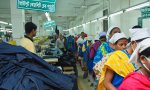
The wave of factory closures and mass layoffs in garment manufacturing facilities in Central America has had a devastating impact on garment workers, their families and their unions.

Twelve years after Rana Plaza, workers are still demanding improved safety, living wages, and justice

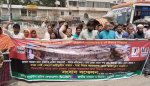
Worker urges companies to sign the International Accord (CCC).

Commemoration of the 12th anniversary of the Rana Plaza tragedy (NGWF).

On April 24, twelve years ago, the Rana Plaza building in Bangladesh that housed five garment factories collapsed, killing at least 1,138 workers in a preventable disaster. MSN joins with others in the Clean Clothes Campaign global network and Bangladeshi unions in honouring the survivors and family members of the workers killed in this tragedy and reiterating our commitment to fighting the root causes of the collapse, including unsafe factories, poverty wages, corporate negligence, and union busting.

Accord Witness Signatories call for restructuring of Bangladesh safety program

Safe evacuations at a factory covered by the Accord (International Accord Secretariat)

MSN is joining with the Clean Clothes Campaign (CCC) and Worker Rights Consortium (WRC) in calling for a restructuring of the governance model of what has historically been a highly successful workplace safety program in Bangladesh in order to eliminate undo employer influence over the inspection process and maintain the integrity of the program.

FAT wins wage increase after filing first rapid response complaint in garment sector

Photo: Press conference to announce the filing of the RRM complaint (FAT).

The Authentic Labour Front (FAT) has negotiated improved wages and other benefits in the existing collective bargaining agreement (CBA) at the Industrias del Interior 2000 (INISA) garment factory in Aguascalientes, Mexico. The US-owned company produces denim jeans for Walmart, Amazon and others. On July 25, 2023, the signed agreement was ratified by the union members at the plant, with 463 voting in favour and only 19 against.

Gap signs Pakistan Accord; other brands must join effort to protect workers’ lives

Photo: HBWWF, NTUF

Gap Inc., owner of Athleta, Banana Republic, Gap and Old Navy brands, has become the 65th company to sign the Pakistan Health and Safety Accord, but other major North American brands and retailers whose products are made in Pakistan have been slow to commit to this life-saving initiative. 

MSN statement on the massacre in Choloma, Honduras

The Maquila Solidarity Network (MSN) joins with Honduran and international trade union and labour rights organizations in condemning the June 24 massacre in Choloma, Cortés, Honduras that left 13 people dead, including four union leaders from the Sindicato de Trabajadores de la Empresa Gildan San Miguel (SITRAGSAM). The union leaders were Xiomara Beatriz Cocas, president of SITRAGSAM, and union delegates Delmer Josué García (former SITRAGSAM president), José Rufino Ortiz, and Lester Arnulfo Almendarez.

Ten years after groundbreaking factory safety pact signed, major fashion brands still refuse to join

Photo: Solidarity action in Pakistan on the ten year anniversary of the
Rana Plaza collapse (HBWWF, NTUF)

Ten years ago today, apparel companies forced into action by the Rana Plaza factory collapse finally signed a binding agreement with local and global unions to protect Bangladeshi garment workers, with civil society organizations as witnesses.

Now the third iteration of the programme is supported by almost 200 brands and the life-saving work is expanding to Pakistan. Yet there are still brands who will not support factory safety with the proven industry's best standard.

Ten years after Rana Plaza tragedy, labour rights movement calls for legally binding agreements and HRDD legislation

Photo: Rina's mother waits for her missing daughter by Rana Plaza debris.
(July 2013, Taslima Akhter)

Photo: Relatives of Rana Plaza's workers demand justice.
(October 2013, Taslima Akhter)

Photo: Worker remembers Rana Plaza and calls for the International Accord.
(April 2021, BIGUF / CCC)

Photo: Kalpona Akter, Founder & Executive Director of the
Bangladesh Center for Workers Solidarity.

Photo: Members of the CNCA deliver petition to Canadian Parliament
calling for mandatory due diligence law (CNCA).

This April 24 marks the tenth anniversary of the tragic and preventable Rana Plaza disaster, in which at least 1,138 garment workers were killed and more than 2,500 were seriously injured when the building housing five garment factories collapsed. We stand in solidarity with the survivors and families of those who died as they honour and remember their loved ones. 

Mexico: Independent unions win significant wage increases

Photo: La Liga Sindical Obrera Mexicana

Independent unions at five manufacturing facilities in Mexico, most of which are in the auto manufacturing and auto parts sectors, have recently negotiated significant wage increases for their members. 

Contributing factors that helped achieve these victories are: 1) the right of workers under Mexico’s labour justice reform to vote by secret ballot on existing collective bargaining agreements and in union representation elections, and 2) the right to file complaints if workers’ associational rights are violated under the tri-national trade agreement.  

Pages