MSN Publications and Collaborative Work

The Bangladesh Accord continues to operate but its independence may be at risk

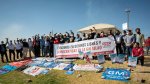
Photo: Kristof Vadino

By Clean Clothes Campaign, International Labor Rights Forum, Maquila Solidarity Network, and Worker Rights Consortium

As witness signatories to the Accord on Fire and Building Safety in Bangladesh, we are concerned about the potential negative impact on worker safety, both short-term and long-term, of the recently concluded Memorandum of Understanding (MOU) between the Accord and the Bangladesh Garment Manufacturers and Exporters Association (BGMEA) and the diverging interpretations that have emerged over the last few weeks.[1]

The #SetThemFree campaign demands freedom for political prisoners in Nicaragua

On May 22, following the release of 100 Nicaraguan political prisoners, and reports that those in prison were subjected to cruel and inhumane treatment, the #SetThemFree Campaign put out a statement calling for the release of all remaining political prisoners.

The statement makes several demands including calling for an end to tortuous acts against those who remain in prison, and for a guarantee of the physical and psychological integrity of those released.

Questions raised about agreement on Bangladesh Accord

On May 19, 2019, the Appellate Court of the Bangladesh High Court accepted a Memorandum of Understanding (MoU) reached earlier this month between the Bangladesh Accord Steering Committee and the Bangladesh employers’ association in the ready-made garment sector, BGMEA. The MoU stipulates that the Accord will continue to operate in Bangladesh for a transition period of 281 working days, during which time brands, unions and the BGMEA will establish a new institution called the RMG Sustainability Council (RSC), which will take over the Accord’s tasks in 2020.

Will the Accord be allowed to continue its life-saving work in Bangladesh?

Clean Clothes Campaign

Today marks the 6th anniversary of the collapse of the Rana Plaza building in Bangladesh, which killed more than 1,100 garment workers and injured over 2,000 others. One positive outcome of this preventable tragedy was the creation of the Accord on Fire and Building Safety in Bangladesh, which provides for independent factory safety inspections, transparent remediation of factory safety hazards, an anonymous complaints process, and health and safety training for workers.

Canada fails to create an independent ombudsperson with effective investigatory powers

Photo: CNCA

On April 8, the Canadian government announced the appointment of the long-awaited Canadian Ombudsperson for Responsible Enterprise (CORE), but failed to live up to its commitment to grant the position the necessary independence and power to investigate abuses and redress harm caused by Canadian mining, oil and gas, and garment companies operating abroad. Several human rights, union, labour, international development and faith organizations have voiced their dismay over the announcement.

Bangladesh government not ready to take over role of Accord

Kristof Vadino

A just-released report co-authored by the Witness Signatories to the Accord on Fire and Building Safety in Bangladesh reveals that the Bangladesh government is “shockingly unready” to take over the role of the Accord. The Witness Signatories include: Clean Clothes Campaign, International Labor Rights Forum, Maquila Solidarity Network and Worker Rights Consortium.

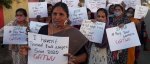
Leader of maquila women’s organization, Sandra Ramos, arrested in Nicaragua

Image: "For the freedom of Nicaragua's political prisoners"

On March 16, Sandra Ramos, leader of the Maria Elena Cuadra Movement of Working and Unemployed Women (MEC), was arbitrarily detained along with more than 100 other participants in a peaceful demonstration demanding the release of all political prisoners in Nicaragua, as a condition for a resumption of negotiations for a resolution to the conflict in the country. After eight hours in custody, she and the other detainees were released.

Pages