The Jesuit-affiliated Centre for Reflection and Action on Labour Issues (CEREAL) has just released its seventh annual report on working conditions in the Mexican electronics industry.
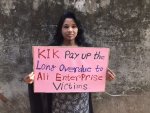
By the end of June 2016, US$2.17 million in compensation has been paid out to the survivors and family members of workers killed in the November 24, 2012 Tazreen garment factory fire in Bangladesh.
This workshop uses six scenarios based on real problems that workers and the organizations defending their rights face in factories. The goal is to develop participants’ capacity to decide when and how to engage with clothing brands. To read the scenarios presented to participants, click here:
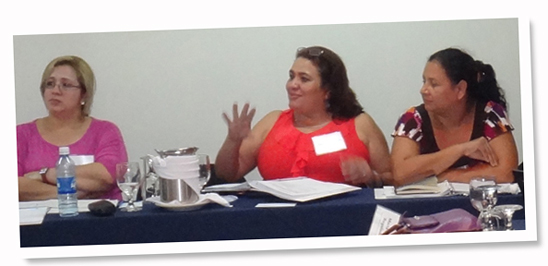
The workshop Brands and Labour Rights: When and How to Engage with Brands was designed by Maquila Solidarity Network (MSN) as a tool for use by women’s and trade union organizations in Central America and Mexico in their work to pressure apparel brands to take action to achieve greater respect for labour rights in their supplier factories in the region.
Photo: Iniciativa Mesoamericana de Mujeres Defensoras de Derechos Humanos/Solidarity Center
The Maquila Solidarity Network joins labour, human rights, women’s organizations in Guatemala and internationally in strongly condemning the murder of Guatemalan labour leader Brenda Marleni Estrada Tambito, and calls on the Guatemalan government to launch an immediate, thorough and impartial investigation into her assassination, bring those responsible to justice, and take appropriate measures to ensure the safety of members of her family.
April 24, 2016 was the third anniversary of the Rana Plaza building collapse, in which over 1,100 workers were killed and approximately 2,500 injured in the worst industrial disaster in the history of the garment industry.
Three years later, what has changed for the injured workers and the families of those who died, and for the young women and men who continue to work in the industry?
On April 10, 56 workers who for over five months had been camped outside the Lexmark factory in Ciudad Juarez, Mexico after being unjustly fired, ended their protest after reaching a settlement with their former employer.
Despite strong opposition from national unions and international labour rights organizations, on April 4 the Cambodian parliament approved a controversial new trade union law that greatly restricts workers’ right to freedom of association and collective bargaining and the right to strike.
As Swedish fashion giant H&M prepares to announce a predicted increase in their profits for 2015, labour rights groups are calling on the company to do more to protect garment workers in Bangladesh, after a review of H&M’s strategic suppliers shows that severe delays in carrying out urgent and vital building repairs continue to leave tens of thousands of workers at risk of death and injury.