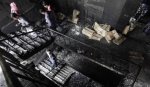
Four years after more than 250 garment workers were killed and over 50 injured in a factory fire in Karachi, Pakistan, German retailer Kik has finally agreed to pay over US$5 million in compensation.
By the end of June 2016, US$2.17 million in compensation has been paid out to the survivors and family members of workers killed in the November 24, 2012 Tazreen garment factory fire in Bangladesh.
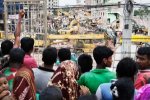
April 24, 2016 was the third anniversary of the Rana Plaza building collapse, in which over 1,100 workers were killed and approximately 2,500 injured in the worst industrial disaster in the history of the garment industry.
Three years later, what has changed for the injured workers and the families of those who died, and for the young women and men who continue to work in the industry?
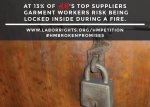
As Swedish fashion giant H&M prepares to announce a predicted increase in their profits for 2015, labour rights groups are calling on the company to do more to protect garment workers in Bangladesh, after a review of H&M’s strategic suppliers shows that severe delays in carrying out urgent and vital building repairs continue to leave tens of thousands of workers at risk of death and injury.
A fire at another Bangladesh factory producing clothes for H&M, JC Penney and other brands has reinforced serious concerns raised by MSN and other witness signatories to the Accord on Fire and Building Safety about long delays in required safety renovations at factories producing for US and European brands.
H&M is dramatically behind schedule in making fire and building safety repairs in it supplier factories in Bangladesh, says an October 1, 2015 report co-authored by the Clean Clothes Campaign (CCC), International Labor Rights Forum (ILRF), Worker Rights Consortium (WRC), and MSN.
More than two years after the Rana Plaza disaster, the Rana Plaza Donors Trust Fund has reached its target of $30 million in compensation funds for injured workers and families of those killed.